
 COLD & FLU
 WOUND CARE
 FEMININE CARE
COLD & FLU
14 Q&AsThese viruses and bacteria can be passed on via direct contact (e.g. touch an object that has the virus on it), airborne transmission (e.g. when someone coughs or sneezes) and close personal contact (e.g. kissing).
A sore throat can be caused by different types of germs. Therefore, it is good to use a preparation that target different types and classes of germs.
Viruses are tiny particles that rely on human or animal cells for their survival, so they cannot last very long outside the body. They cause illnesses by invading healthy cells and multiplying.
Bacteria are single cell organisms usually found in and on our bodies. Some bacteria are harmless – and can even be good for us – and some cause infections.
POVIDONE-IODINE (BETADINE®) Gargle has scientific research on its germ killing activity against germs that can cause sore throats1-3. With a 30-second gargle, POVIDONE-IODINE (BETADINE®) Gargle kill germs2. Individual response varies*.
For the same reasons, other viral infections like flu should not be treated with antibiotics either6.
If a sore throat persists or is particularly severe, you should see your doctor.
Antibiotics may be prescribed by your doctor in situations of bacteria related infections*.
* For further information, please check with your doctor or pharmacist.
Since most sore throats are caused by germs5, there are steps that you can take to prevent getting an infection:
- Avoid sharing utensils with people who are sick.
- Wash your hands regularly with soap.
- Practice proper hand and throat hygiene by using an antiseptic hand wash and gargle, such as POVIDONE-IODINE (BETADINE®) Gargle to kill germs and prevent passing on germs within the family or community2.
- Avoid touching your eyes, nose and mouth with unwashed hands as germs can enter your body this way and make you sick.
- Stay away from people who are ill, as germs can spread.
No, POVIDONE-IODINE (BETADINE®) Gargle does not stain the teeth. The natural brown colour is due to Povidone-Iodine, the active ingredient of POVIDONE-IODINE (BETADINE®) Gargle. The product retains the germ killing effect of iodine but unlike iodine, it is generally non-staining.3
POVIDONE-IODINE (BETADINE®) preparations do not stain the skin, fingernails, hair, or natural fibre either.3 If you accidentally get POVIDONE-IODINE (BETADINE®) on natural fibres it can usually be easily washed off with water and soap. For man-made fibres, POVIDONE-IODINE (BETADINE®) can usually be washed off with the help of a stain remover.
CAUTION: Immediately remove spills from plastic floors.
Germs that cause sore throats can be passed on via direct contact (e.g. touching something that has the germs on it), airborne transmission (e.g. when someone coughs) and close personal contact (e.g. kissing).
When a loved one suffers from sore throat, flu or a cold, practicing proper throat and oral hygiene like gargling with POVIDONE-IODINE (BETADINE®) helps. This lessens the chances of other family members getting it too by killing the germs before they have a chance to act.
The active ingredient in BETADINE®, povidone-iodine, is naturally a golden brown colour. It will not stain your skin, fingernails or hair, although you can see where it’s been applied on the skin3.
If you accidentally get POVIDONE-IODINE (BETADINE®) on natural fibres it can usually be easily washed off with water and soap. For man-made fibres, POVIDONE-IODINE (BETADINE®) can usually be washed off with the help of a stain remover.
CAUTION: Immediately remove spills from plastic floors.
FEMININE CARE
9 Q&AsIdentify the cause – suspect infection by looking out for vaginal symptoms such as discharge with abnormal colour or amount.
Check for foreign objects like tampons or condoms after intimate sessions.
Wear cotton undergarments to encourage airflow and allow your vaginal area to breathe.
Don’t:
Use fragrant body washes and soaps as it can disrupt the pH balance of your vagina.
Bacterial infections are the most common cause, accounting for up to 50% of the cases. They happen when there are changes in the types and amounts of bacteria normally found in the vagina.
Fungal infections like candida albicans are probably the next most common cause. Fungal infections are often called vaginal yeast infections.
Other possible causes of vaginal irritation include:
Tight nylon underwear that doesn’t provide good ventilation, resulting in perspiration and lack of air circulation
The use of contraceptives
The use of broad-spectrum antibiotics for the treatment of other infections
The use of vaginal deodorants
The lack of personal hygiene
Pregnant and lactating mothers are encouraged to avoid using the POVIDONE-IODINE (BETADINE®) Feminine Wash and Vaginal Douche due to the potential risks to the fetus/baby. There is a possible chance that the fetus/baby may be at risk of reversible hypothyroidism. Even though hypothyroidism is reversible, it might still lead to future metabolism conditions.
Women who suffer from hypothyroidism should also avoid using the
POVIDONE-IODINE (BETADINE®) Feminine Wash and Vaginal Douche.
Povidone-iodine, which is the active ingredient in POVIDONE-IODINE (BETADINE®) Feminine Wash and Vaginal Douche, is naturally golden brown in colour. It will not stain your skin, fingernails or hair.
POVIDONE-IODINE (BETADINE®) Feminine Wash and Vaginal Douche products can also be washed off even if they get into contact with your clothes. If you accidentally get some on natural fibers, it can usually be easily washed off with water and soap. For man-made fibers, it can usually be washed off with the help of a stain remover.
CAUTION: Immediately wipe up spills on plastic floors.
WOUND CARE
8 Q&AsAntiseptics are used as a treatment to cleanse cuts, scratches, burns, grazes or other minor injuries where the skin is broken, or as a preventive measure before piercing the skin (e.g. an injection). For this very reason, Povidone-Iodine (BETADINE®) has a wide range of antiseptic formats for your different needs.
If you accidentally get Povidone-Iodine (BETADINE®) on natural fibers it can usually be easily washed off with water and soap. For man-made fibers, Povidone-Iodine (BETADINE®) can usually be washed off with the help of a stain remover.
CAUTION: Immediately remove spills from plastic floors.
Additionally, the use of tap water to cleanse the wound would not be recommended in a country where a constant supply of potable drinking water is not available.
Common Cold Symptoms In Toddlers And What You Can Do About It
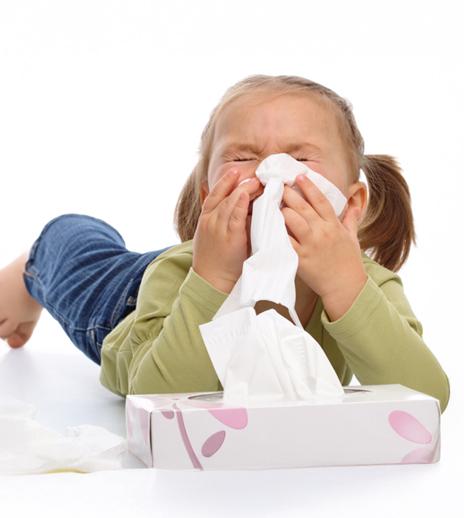
As a mother, I dreaded the days when my one-year-old suffered from common cold. Her little body struggled with every sneeze. Her eyes looked so weak and her appetite dwindled. Like any parent, it broke my heart to see that I couldn't instantly take away my toddler's pain. I couldn't stand not doing anything about it, so I did my part by learning more about this infection and the ways I can correctly handle my child's symptoms.
The virus that spreads like fire
According to US-based health care system John Hopkins Medicine, the common cold is an infection of the upper respiratory tract that can be caused by over 200 types of viruses. With new types of viruses developing over time, the human body is not capable of resisting each virus that it gets exposed to. Hence, the cold is a common and recurring health problem.
The cold virus can easily spread without us knowing it. For instance, whenever my child touches her eyes or nose after touching contaminated toys or surfaces, there is a huge possibility that she will catch the cold virus. UK-based publicly funded healthcare organization National Health Service confirms that transmission can also happen when somebody infected with the cold virus sneezes or coughs and the child inhales the drops of fluid carrying the virus. With poor immune system and the lack of proper hand washing, children are truly at risk of acquiring the common cold when exposed to infected people or contaminated things.
The inevitable symptoms
As soon as a child catches the dreaded cold virus, he or she will manifest early indicators of the infection. For my daughter, it all started with a runny nose. After a day or two, she started sneezing and eventually developed fever. Along with this, my toddler could not sleep well and was often uneasy. Though she still couldn't tell me what exactly was wrong, I could tell that she was suffering from body aches as well. Other toddlers with the common cold virus would also complain of clogged nose, sore throat, headache, body aches, and fatigue.
Things to do to manage common cold symptoms
While prevention is certainly better than cure, there are instances when catching the cold virus is just unavoidable. Here are the things I did to help ease my little girl's pain and discomfort and speed up her recovery. These home remedies for the common cold will also be helpful to other moms whenever their kids catch the cold virus:
- Always Sanitize
When sickness strikes, the goal is to stop the cold virus from spreading. To do that, I had to make sure my child's hands as well as my hands were always sanitized by properly washing our hands. When my toddler caught the cold virus, I required everyone in our home to strictly practice effective hand washing before and after eating, after every bathroom use, after coughing or sneezing, and whenever necessary. I also bought a bottle of alcohol-based hand sanitizer for every family member to use when soap and clean water are not available. According to the American Public Health Association, "the best hand sanitizer is one that contains a minimum of 60 percent alcohol."
- Regularly monitor temperature
I did not expect that my daughter's respiratory infection would lead to fever. When I felt my child's skin was warmer than usual, I asked my husband to buy a digital thermometer from the drugstore so we can check our child's temperature. When a child has common cold, it is important to monitor his or her temperature regularly. National Health Service states that, as a general rule, a temperature of 38°C or above is a fever. When I found out that my daughter had fever, I had to give her over-the-counter pain relief and fever-reducing medicine.
- Stop the cold in its tracks
I was not satisfied with just relieving the cold symptoms my child was experiencing. I wanted to get rid of the virus as soon as possible. My search on how to stop cold in toddlers fast led me to discover BETADINE™ Cold Defense Nasal Spray. BETADINE™ nasal spray eliminates 99% of common cold and flu viruses and is clinically proven to shorten the duration of colds up to two days. It is a non-drug, non-steroid, preservative-free nasal spray, which means it is natural and safe for children 1 year old and above. My daughter used it and was spared from having to endure too long of the cold symptoms.
- Manage humidity level of your home
According to Sinus Surgeon Dr. Garrett H. Bennett, MD, inhaling moist air can help loosen mucus in the nasal passage. Aside from giving my child a warm bath, I tried to use a humidifier in her bedroom. By diffusing moisture into the air and managing the humidity level of the environment, the humidifier helped ease my child's common cold symptoms.


Please report any suspected iNova Product or Device related adverse event (Drugsafety@inovapharma.com) or Product Complaint to: (Q.complaints@inovapharma.com).
Consult your doctor / pharmacist before taking pharmaceutical products