
 COLD & FLU
 WOUND CARE
 FEMININE CARE
COLD & FLU
14 Q&AsThese viruses and bacteria can be passed on via direct contact (e.g. touch an object that has the virus on it), airborne transmission (e.g. when someone coughs or sneezes) and close personal contact (e.g. kissing).
A sore throat can be caused by different types of germs. Therefore, it is good to use a preparation that target different types and classes of germs.
Viruses are tiny particles that rely on human or animal cells for their survival, so they cannot last very long outside the body. They cause illnesses by invading healthy cells and multiplying.
Bacteria are single cell organisms usually found in and on our bodies. Some bacteria are harmless – and can even be good for us – and some cause infections.
POVIDONE-IODINE (BETADINE®) Gargle has scientific research on its germ killing activity against germs that can cause sore throats1-3. With a 30-second gargle, POVIDONE-IODINE (BETADINE®) Gargle kill germs2. Individual response varies*.
For the same reasons, other viral infections like flu should not be treated with antibiotics either6.
If a sore throat persists or is particularly severe, you should see your doctor.
Antibiotics may be prescribed by your doctor in situations of bacteria related infections*.
* For further information, please check with your doctor or pharmacist.
Since most sore throats are caused by germs5, there are steps that you can take to prevent getting an infection:
- Avoid sharing utensils with people who are sick.
- Wash your hands regularly with soap.
- Practice proper hand and throat hygiene by using an antiseptic hand wash and gargle, such as POVIDONE-IODINE (BETADINE®) Gargle to kill germs and prevent passing on germs within the family or community2.
- Avoid touching your eyes, nose and mouth with unwashed hands as germs can enter your body this way and make you sick.
- Stay away from people who are ill, as germs can spread.
No, POVIDONE-IODINE (BETADINE®) Gargle does not stain the teeth. The natural brown colour is due to Povidone-Iodine, the active ingredient of POVIDONE-IODINE (BETADINE®) Gargle. The product retains the germ killing effect of iodine but unlike iodine, it is generally non-staining.3
POVIDONE-IODINE (BETADINE®) preparations do not stain the skin, fingernails, hair, or natural fibre either.3 If you accidentally get POVIDONE-IODINE (BETADINE®) on natural fibres it can usually be easily washed off with water and soap. For man-made fibres, POVIDONE-IODINE (BETADINE®) can usually be washed off with the help of a stain remover.
CAUTION: Immediately remove spills from plastic floors.
Germs that cause sore throats can be passed on via direct contact (e.g. touching something that has the germs on it), airborne transmission (e.g. when someone coughs) and close personal contact (e.g. kissing).
When a loved one suffers from sore throat, flu or a cold, practicing proper throat and oral hygiene like gargling with POVIDONE-IODINE (BETADINE®) helps. This lessens the chances of other family members getting it too by killing the germs before they have a chance to act.
The active ingredient in BETADINE®, povidone-iodine, is naturally a golden brown colour. It will not stain your skin, fingernails or hair, although you can see where it’s been applied on the skin3.
If you accidentally get POVIDONE-IODINE (BETADINE®) on natural fibres it can usually be easily washed off with water and soap. For man-made fibres, POVIDONE-IODINE (BETADINE®) can usually be washed off with the help of a stain remover.
CAUTION: Immediately remove spills from plastic floors.
FEMININE CARE
9 Q&AsIdentify the cause – suspect infection by looking out for vaginal symptoms such as discharge with abnormal colour or amount.
Check for foreign objects like tampons or condoms after intimate sessions.
Wear cotton undergarments to encourage airflow and allow your vaginal area to breathe.
Don’t:
Use fragrant body washes and soaps as it can disrupt the pH balance of your vagina.
Bacterial infections are the most common cause, accounting for up to 50% of the cases. They happen when there are changes in the types and amounts of bacteria normally found in the vagina.
Fungal infections like candida albicans are probably the next most common cause. Fungal infections are often called vaginal yeast infections.
Other possible causes of vaginal irritation include:
Tight nylon underwear that doesn’t provide good ventilation, resulting in perspiration and lack of air circulation
The use of contraceptives
The use of broad-spectrum antibiotics for the treatment of other infections
The use of vaginal deodorants
The lack of personal hygiene
Pregnant and lactating mothers are encouraged to avoid using the POVIDONE-IODINE (BETADINE®) Feminine Wash and Vaginal Douche due to the potential risks to the fetus/baby. There is a possible chance that the fetus/baby may be at risk of reversible hypothyroidism. Even though hypothyroidism is reversible, it might still lead to future metabolism conditions.
Women who suffer from hypothyroidism should also avoid using the
POVIDONE-IODINE (BETADINE®) Feminine Wash and Vaginal Douche.
Povidone-iodine, which is the active ingredient in POVIDONE-IODINE (BETADINE®) Feminine Wash and Vaginal Douche, is naturally golden brown in colour. It will not stain your skin, fingernails or hair.
POVIDONE-IODINE (BETADINE®) Feminine Wash and Vaginal Douche products can also be washed off even if they get into contact with your clothes. If you accidentally get some on natural fibers, it can usually be easily washed off with water and soap. For man-made fibers, it can usually be washed off with the help of a stain remover.
CAUTION: Immediately wipe up spills on plastic floors.
WOUND CARE
8 Q&AsAntiseptics are used as a treatment to cleanse cuts, scratches, burns, grazes or other minor injuries where the skin is broken, or as a preventive measure before piercing the skin (e.g. an injection). For this very reason, Povidone-Iodine (BETADINE®) has a wide range of antiseptic formats for your different needs.
If you accidentally get Povidone-Iodine (BETADINE®) on natural fibers it can usually be easily washed off with water and soap. For man-made fibers, Povidone-Iodine (BETADINE®) can usually be washed off with the help of a stain remover.
CAUTION: Immediately remove spills from plastic floors.
Additionally, the use of tap water to cleanse the wound would not be recommended in a country where a constant supply of potable drinking water is not available.
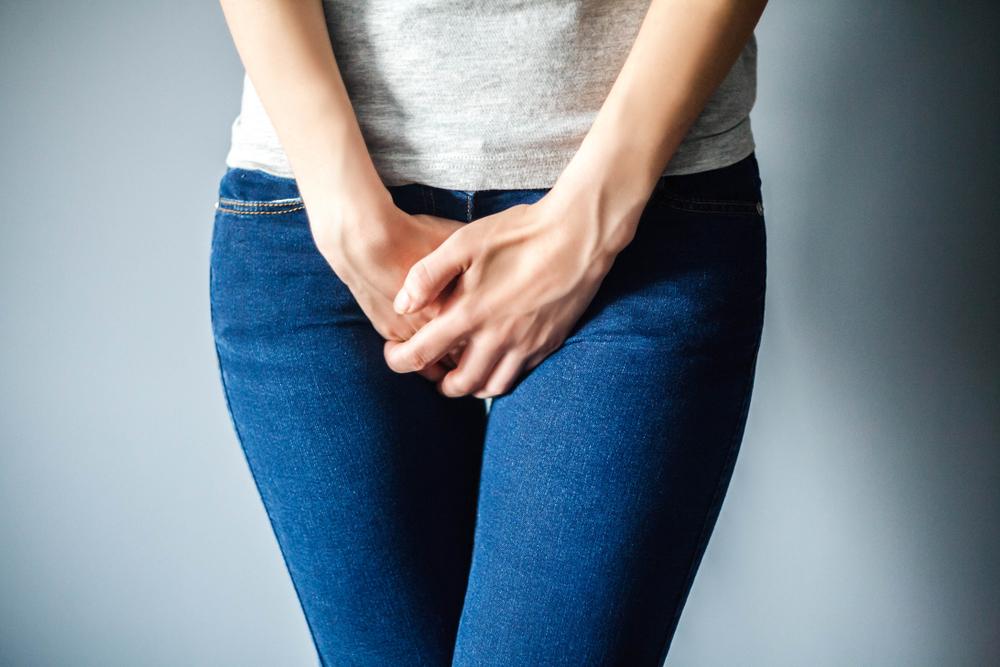
Why Is Your Vagina Itchy?
Itchiness anywhere on your body can be irritating and painful, but in an area as sensitive as the vagina, the itchiness may feel much worse and can be extremely uncomfortable. If you’re experiencing vaginal itching, it could be down to a simple skin irritation or a sign of an underlying problem, such as thrush, bacterial vaginosis (BV) or a sexually transmitted disease.
In this article, we talk you through the many causes of vaginal itching and how to treat it. If the itching persists, you should see your GP as soon as possible for advice.
Why is my vagina itchy?
There are numerous reasons you may be experiencing vaginal itching and it can be difficult to know when or why it started. Below, we’ve listed the main causes of excessive itching down there.
What causes vaginal itching?
Yeast infection
A yeast infection, such as thrush, can cause severe itching and irritation in both men and women. Other symptoms include a thick, white vaginal discharge and a stinging sensation during intercourse or when you wee. Thrush can usually be treated easily and quickly. We explain how thrush can be treated further down.
Menopause
During the menopause, which typically occurs between the ages of 45 and 55, a woman’s oestrogen levels drop. It is this hormonal decrease that can cause the vaginal walls to become thin and dry. This leads to irritation and excessive itchiness. Not all women will experience itchiness as a result of the menopause, however, many do. Fortunately, there are creams that you can purchase to reduce the symptoms.
Chemicals or substances
The most common cause of vaginal itching is irritating chemicals or substances coming into contact with the skin. The intimate area is very sensitive and certain chemicals or products, such as scented toilet paper, condoms, washing powder or some soaps, can cause itching.
You should treat the area gently, washing it with a soap-free feminine wash that’s designed especially for intimate areas. Avoid over washing your intimate area as this can dry it out, causing further itching.
Your underwear can also have an impact on how itchy the area is. We’ll discuss the kind of material you should wear further down.
Sexually transmitted diseases (STDs)
Vaginal itching could be a sign of an STD. Chlamydia, gonorrhea and trichomoniasis can all cause irritation of the vagina or the vulva (outer vaginal lips). You should see your GP as soon as possible if you think you might have an STD.
Is vaginal itching normal?
Vaginal itching is quite common and can often just be a result of skin irritation. Itchiness might go away on its own, however, if it persists, you should book an appointment with your GP.
You should have a think about any products you may have used recently that could be causing the irritation. For example, you may have been wearing tight clothing the day before, such as a pair of skinny jeans or cycling shorts.
How to get rid of vaginal itching
The type of treatment you need usually depends on the reason for the itching.
Bacterial vaginosis (BV) and thrush won’t go away by themselves. BV can be treated with antibiotic tablets, creams or gels, so speak with your doctor about your options. It’s quite common for BV to return within three months of your first treatment. If it does return, consult your doctor for advice.
Thrush is treated with an antifungal medicine. This could be in the form of a tablet you take orally, or it could be in the form of a tablet, known as a pessary, that you put inside your vagina. It should clear up after one week. If the thrush returns, you should speak to your GP about further treatment. Thrush is contagious, so you should check that any sexual partners haven’t contracted it as well.
If you’ve been to the doctor and determined that you don’t have BV or a yeast infection, then maybe consider changing your washing powder or getting new underwear that’s made from a more breathable material.
How to stop vaginal itching from coming back
If you’ve experienced vaginal itching, then you will understand how irritating and painful it can be. There are a few precautions you can take to prevent it from coming back in the future.
You should avoid using scented products, such as sanitary pads, tampons and toilet paper. These can all cause the natural bacteria to become unbalanced and make your intimate area irritated. Try swapping to unscented products. Standard soaps and body wash can also have the same effect, so only use a wash that is designed specifically for that area and preferably soap, paraben and colourant free.
Where possible, you should try to wear cotton underwear instead of polyester or other man-made materials that don’t allow the skin to breathe.
Whenever you go to the toilet, you must wipe from front to back. This will prevent unwanted bacteria from spreading to your vagina and potentially causing an infection.
Finally, always use condoms to prevent sexually transmitted diseases. If you and your partner have been together for a long time and know that neither of you has an STD, you could choose to use other forms of contraception if condoms could be the cause of the itchiness.
If the itching persists, you should see your doctor for advice and treatment.
Please report any suspected iNova Product or Device related adverse event (Drugsafety@inovapharma.com) or Product Complaint to: (Q.complaints@inovapharma.com).
Consult your doctor / pharmacist before taking pharmaceutical products